Do you ever wonder how various bagged products we see in daily life are packaged? Most people would surely answer that they are packed by machines.
Yet few know exactly which types of machines are used and their working principles. Let me give you a detailed introduction.
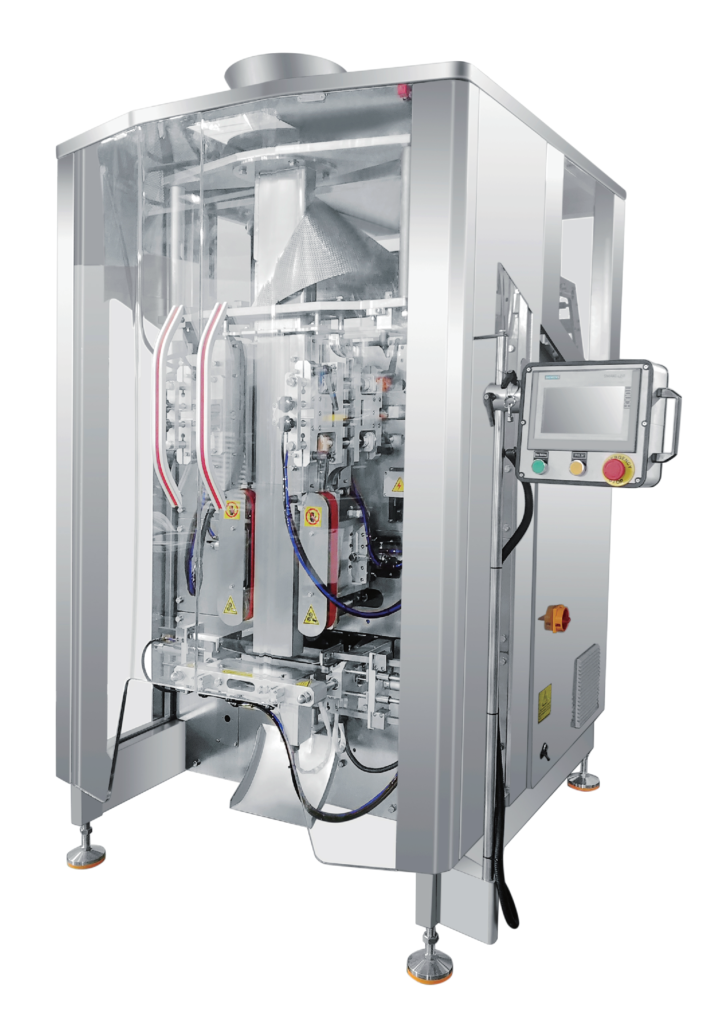
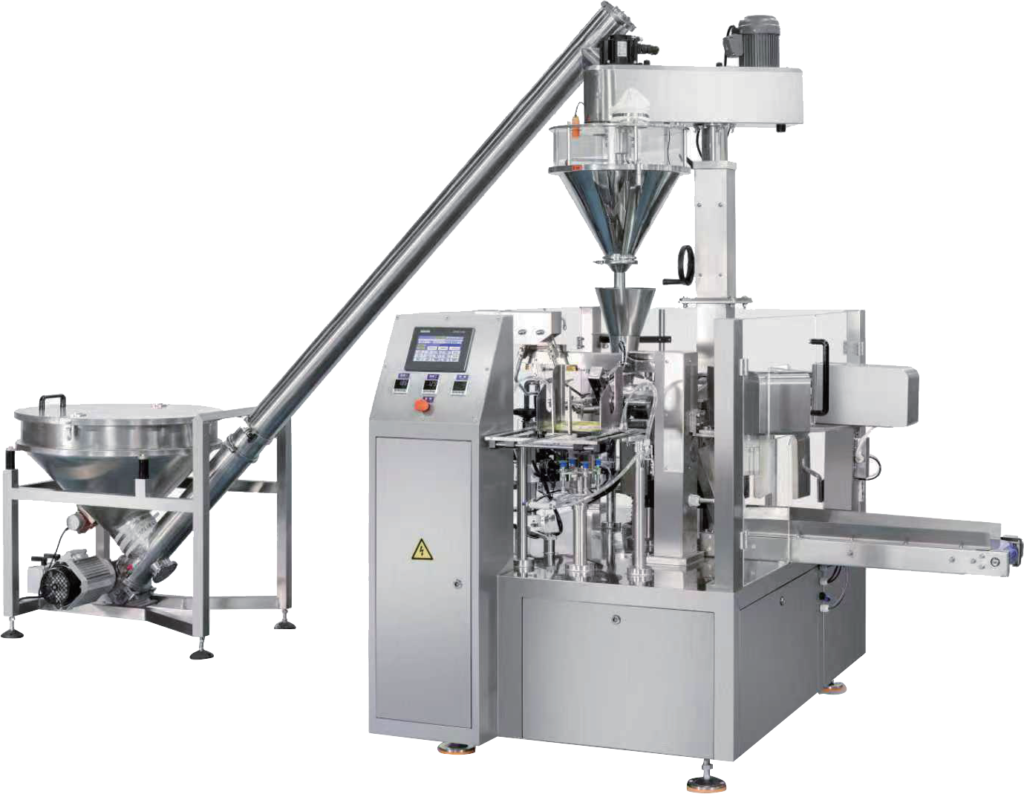
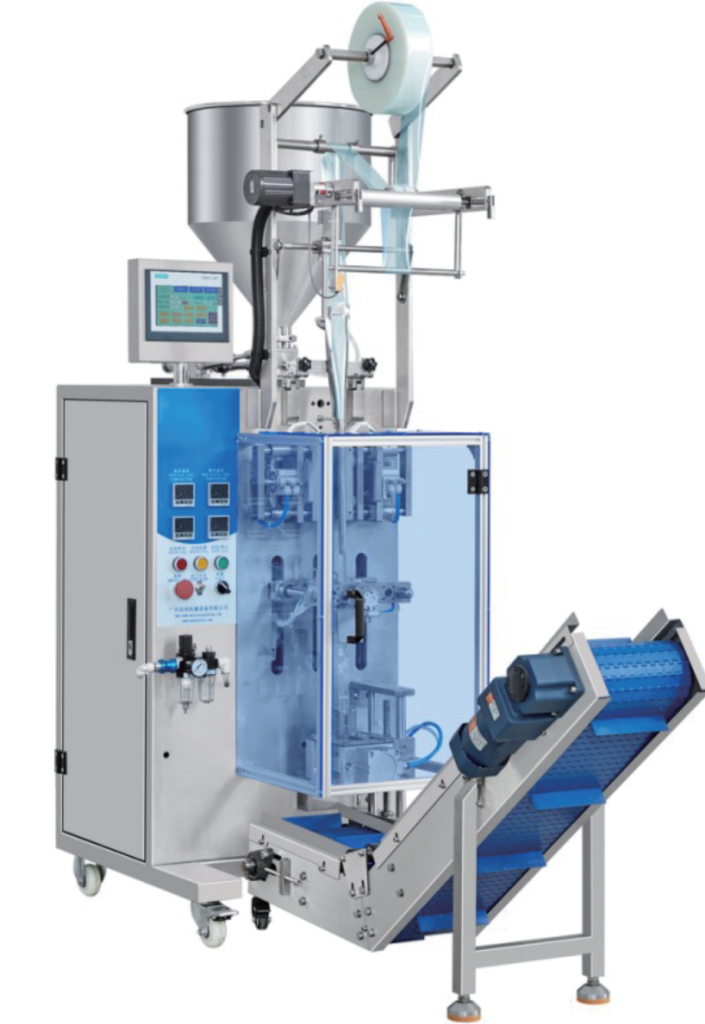
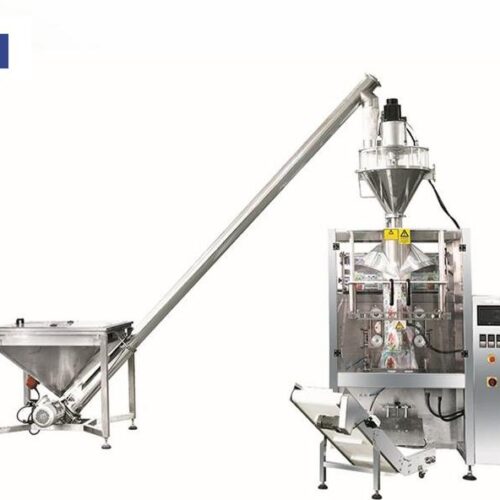
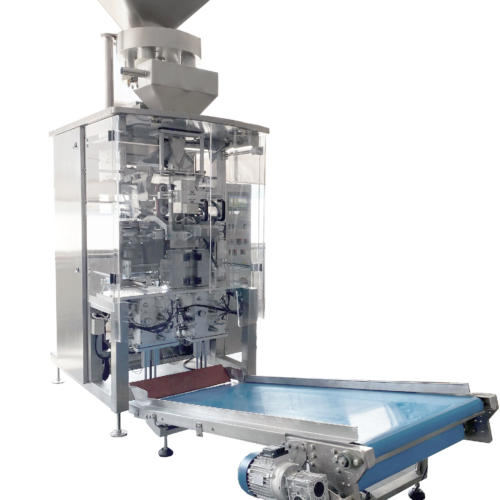
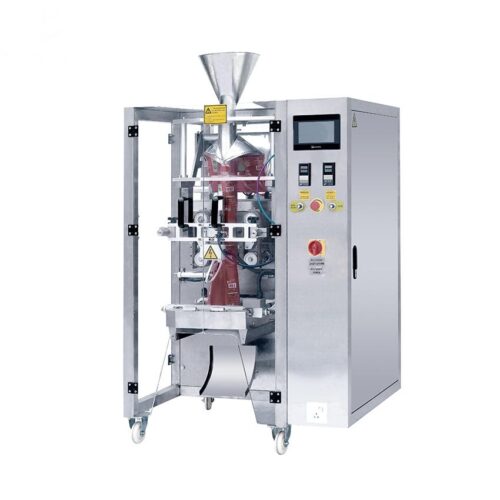
Packaging machines are mainly divided into two categories: horizontal flow wrap machines and vertical VFFS packaging machines. As their names imply, the flow wrapper features a flat, pillow-shaped packaging structure, while the vertical machine works in an upright configuration.
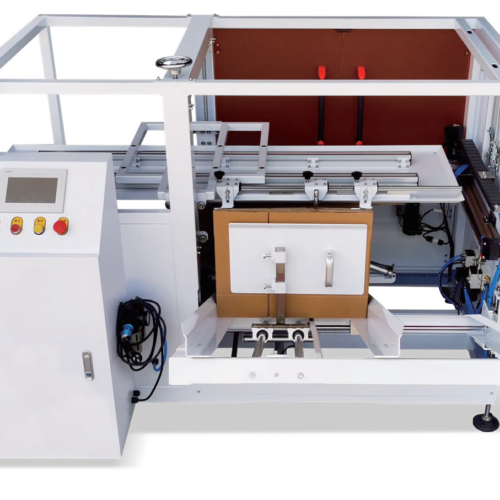
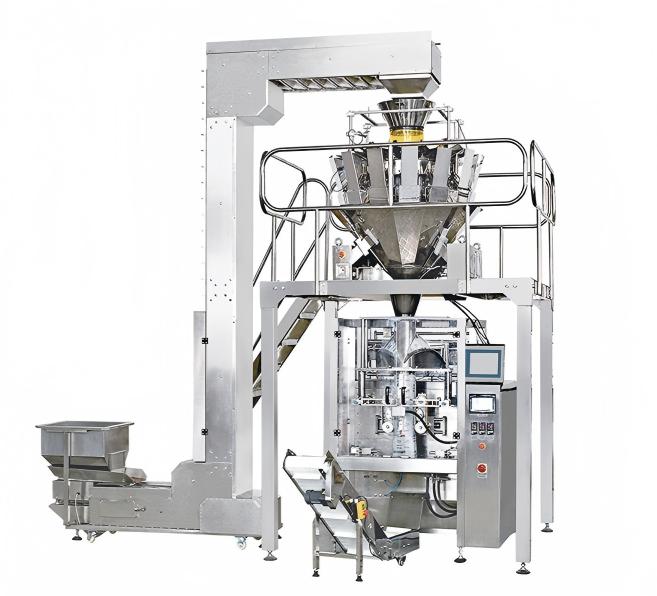
The horizontal flow wrapper is mainly used for individually separated items, such as soap, fresh produce and mooncakes. By contrast, the vertical machine is ideal for bulk materials like potato chips, rice and nuts. To some extent, the two machines can overlap in applicable products. To make an analogy, they are like hurdlers and long-distance runners: both can run, yet each excels in its own field.
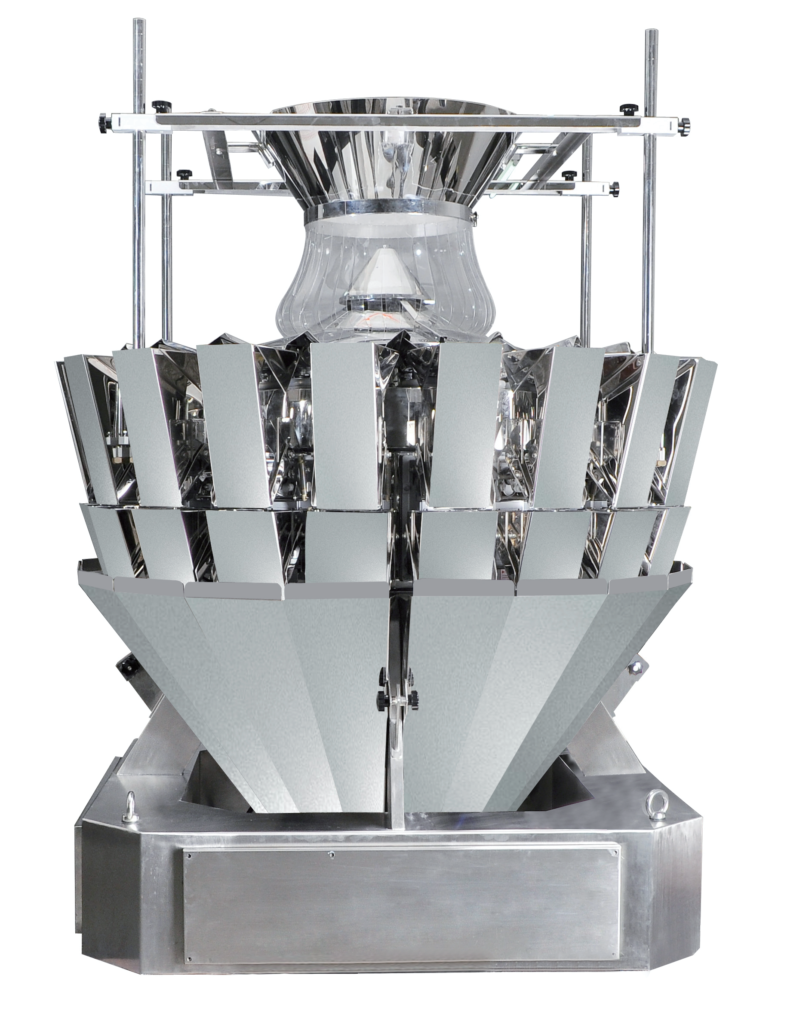
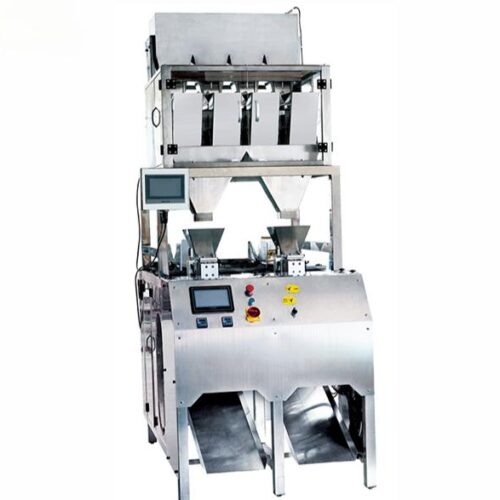
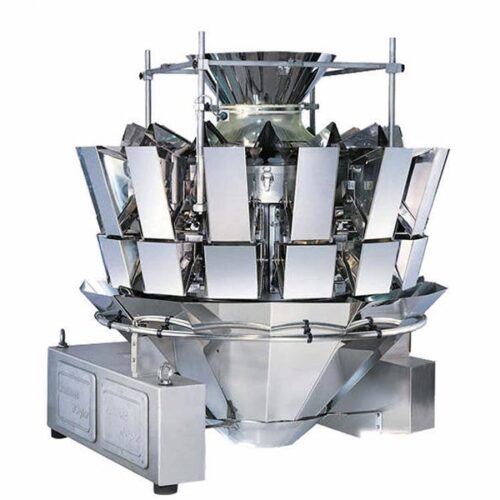
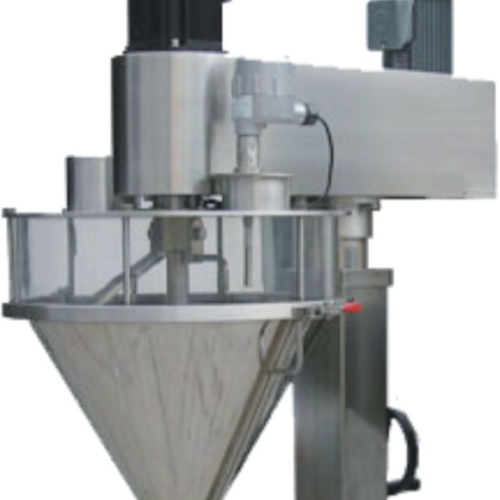
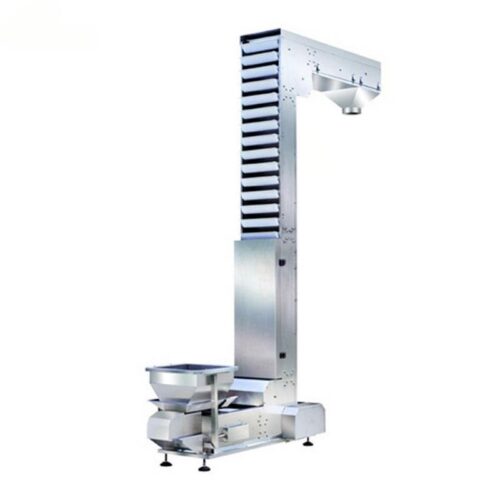
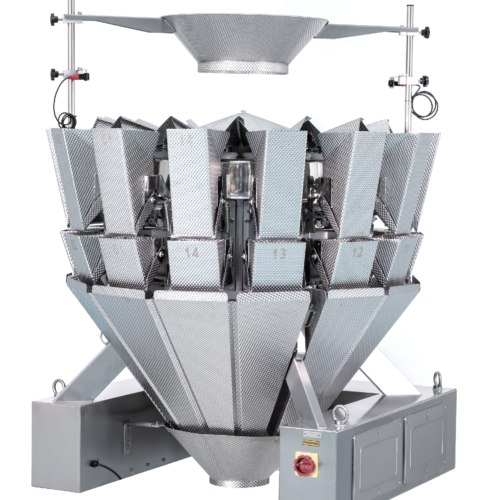
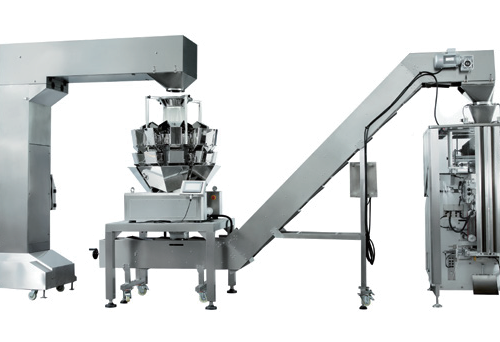
The flow wrapper conveys products via a conveyor belt to the packaging station for sealing, with a relatively straightforward working principle. The vertical machine is slightly more complex. Materials are delivered by the conveyor to multihead weighers or measuring cups for accurate portioning, then dropped down into bags. Bags fall into two types: form-on-machine bags and pre-made pouches. For the former, a roll of packaging film is loaded onto the machine, which automatically forms bags on the spot to catch the falling materials and completes sealing and packaging in one go.